
 ▶7:55
This interface is currently displayed in English. Full translation is in preparation.
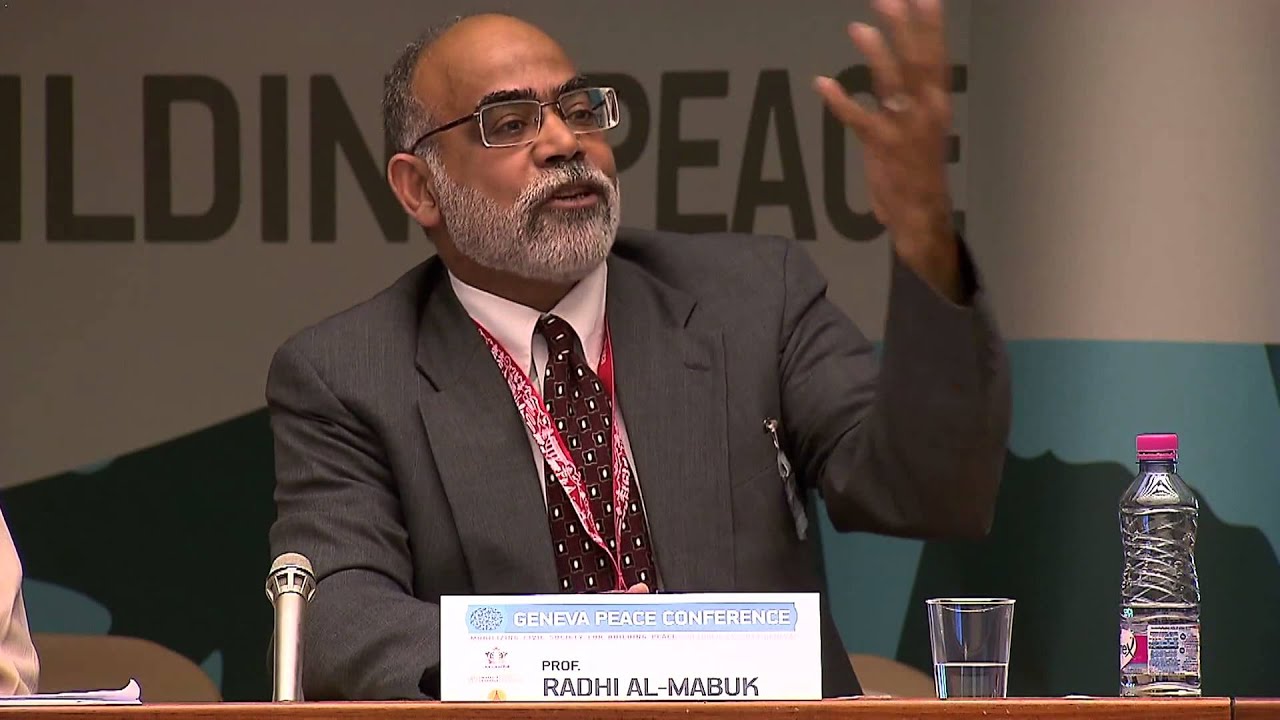
Prof. Radhi Al-Mabuk
Journalists and Writers Foundation JWFProfessor of education at the University of Northern Iowa, US Prof. Radhi Al-Mabuk is a professor of Education at the University of Northern Iowa, a position he has held since 1990. Al-Mabuk received his Ph.D in Educational Psychology from the University of Wisconsin-Madison, and his M.S. from Winona State University, Winona, Minnesota. His areas of expertise include child and adolescent development, human motivation, moral development, and instructional psychology. His research interests focus on moral development of forgiveness, particularly the psychotherapeutic applications of forgiveness Read moreShow less
Professor of education at the University of Northern Iowa, US
Prof. Radhi Al-Mabuk is a professor of Education at the University of Northern Iowa, a position he has held since 1990. Al-Mabuk received his Ph.D in Educational Psychology from the University of Wisconsin-Madison, and his M.S. from Winona State University, Winona, Minnesota. His areas of expertise include child and adolescent development, human motivation, moral development, and instructional psychology. His research interests focus on moral development of forgiveness, particularly the psychotherapeutic applications of forgiveness in contexts of deep and interpersonal hurt, psychology of revenge, conflict resolution, peer mentoring and student and teacher motivation.
Prof. Radhi Al-Mabuk is a professor of Education at the University of Northern Iowa, a position he has held since 1990. Al-Mabuk received his Ph.D in Educational Psychology from the University of Wisconsin-Madison, and his M.S. from Winona State University, Winona, Minnesota. His areas of expertise include child and adolescent development, human motivation, moral development, and instructional psychology. His research interests focus on moral development of forgiveness, particularly the psychotherapeutic applications of forgiveness in contexts of deep and interpersonal hurt, psychology of revenge, conflict resolution, peer mentoring and student and teacher motivation.